Understanding the density of silver is an important consideration for investors who hold physical bullion as part of a long-term wealth preservation strategy. Density is one of the defining physical properties of silver, offering insight into authenticity, handling and storage. Unlike price, which fluctuates daily, density is constant. This makes it a reliable reference point when assessing physical silver coins and bars, particularly for those sourcing high-quality silver through professional channels.
Table of Contents
What Is Density and How Is It Measured?
Density refers to the amount of mass contained within a given volume. It is calculated by dividing weight by volume and is typically expressed in grams per cubic centimetre. For precious metals, density is especially useful because it remains consistent when the metal is refined to a high level of purity.
This consistency allows measured results to be compared against established benchmarks. When applied to silver, density helps confirm whether a bar or coin is composed of genuine metal rather than an alternative material designed to replicate its appearance. Because density reflects internal composition rather than surface finish, it is widely relied upon in professional bullion assessment.
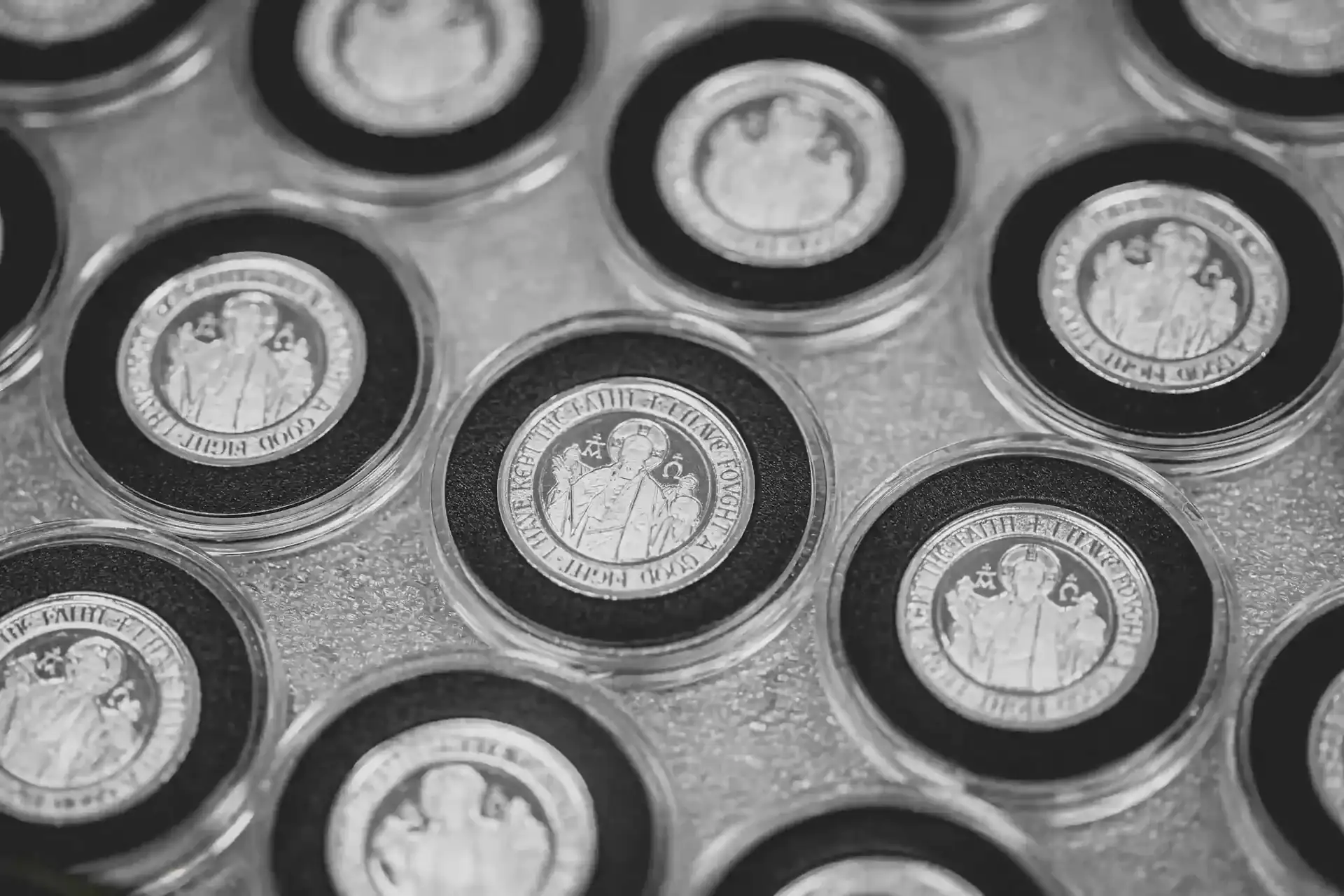
Understanding the Density of Silver in Practical Terms
The density of silver is approximately 10.49 grams per cubic centimetre when the metal is refined to investment-grade purity, typically marked as 999. This figure forms the industry standard used in valuation, verification and storage.
In practical terms, this density explains why silver feels substantial in the hand while remaining noticeably lighter than gold. It also determines the physical dimensions of silver bullion. A one-kilogram silver bar occupies more space than an equivalent gold bar because silver is less dense.
For investors, this predictable relationship between weight and volume allows silver holdings to be assessed quickly and confidently by experienced professionals.
The Density of Silver in Physical Bullion
When applied to physical bullion, the density of silver becomes a key indicator of quality and authenticity. Genuine silver coins and bars produced to recognised standards will conform closely to expected density measurements. Any significant deviation may indicate alloying metals or other inconsistencies.
This is particularly relevant when acquiring high-quality silver coins, where precise minting and purity are essential. While density testing is not the only method used to verify silver, it forms an important part of a broader professional assessment process that helps protect investors from counterfeit material.
Why the Density of Silver Matters for Storage and Handling
The density of silver has practical implications for how it is stored and transported. Because silver is less dense than gold, larger physical volumes are required to store the same monetary value. This affects vaulting capacity, logistics planning and insurance considerations.
Professional vaults are designed to accommodate the size and weight characteristics of silver bullion, ensuring secure stacking and efficient use of space. For investors holding bars rather than coins, high-quality silver bars offer a practical way to store larger quantities while remaining straightforward to handle and verify.
How the Density of Silver Is Used in Verification
Testing the density of silver is commonly used alongside other professional verification methods. By measuring both mass and volume and comparing the result to known standards, specialists can identify discrepancies that may warrant further investigation.
This approach is effective because silver’s density is difficult to replicate accurately using substitute materials. While surface appearance can be imitated, internal composition is far harder to disguise. Density, therefore, provides an additional layer of confidence.
The Density of Silver Compared to Other Precious Metals
For investors, it is helpful to consider the density of silver alongside other widely traded precious metals, including high-quality gold.
| Metal | Density (grams per cubic centimetre) |
|---|---|
| Silver | 10.49 |
| Gold | 19.32 |
| Platinum | 21.45 |
This comparison highlights why silver bullion is physically larger than gold or platinum at equivalent weights. Investors who also hold gold, including high-quality gold coins, will recognise how density influences storage efficiency across different metals. This can be especially important for those considering a mixed investment, including high-quality gold bars.
Final Thoughts on the Density of Silver
While some investors monitor price movements using tools such as a silver chart or its equivalent, a gold chart, density remains constant regardless of market conditions. This stability reinforces silver’s appeal as a tangible and verifiable form of long-term wealth protection.