Periods of economic stagnation combined with persistent inflation present a unique challenge for investors. Understanding the relationship between stagflation, silver and broader financial markets requires looking beyond headline inflation figures to assess growth, industrial demand and currency stability. In such environments, traditional assets such as equities and bonds often struggle, prompting renewed attention towards tangible stores of value.The dynamics of silver stagflation are more complex than those of gold alone, given silver’s twofold nature as both an industrial metal and a monetary asset. This intersection between economic slowdown and rising prices creates distinct pressures and opportunities within the silver market.
Table of Contents
Warren Buffett’s silver investments were rooted in value rather than sentiment. Unlike gold, which he has criticised for lacking productive utility, silver offered a combination of industrial demand and monetary characteristics. In the late 1990s, Warren Buffett’s silver accumulation reflected his view that the metal was undervalued relative to supply and global consumption trends. He focused on tangible scarcity and long-term fundamentals rather than short-term price speculation. Even today, investors
checking the most up-to-date silver price
will often look beyond daily volatility to consider deeper structural forces that influence long-term valuation.
What Is Stagflation and Why Does It Matter for Silver?
Stagflation describes a period of weak economic growth combined with rising prices and often elevated unemployment. For investors assessing stagflation, silver and other real assets, the concern lies in how purchasing power erodes while corporate earnings stagnate. In such conditions, equities can struggle and fixed-income returns may fail to keep pace with inflation.
The impact of silver stagflation trends depends on both monetary demand and industrial usage. Silver is not purely a hedge; it is also consumed in manufacturing and technology. This dual role can either cushion or complicate performance depending on the severity of the slowdown. Those considering
UK-based silver investments
often examine these macroeconomic pressures before allocating capital.
Historical Evidence: Silver Stagflation During the 1970s
The 1970s provide the clearest historical example of how stagflation silver performance can diverge sharply from other asset classes. As inflation accelerated across the United States and the United Kingdom, economic growth slowed and confidence in fiat currencies weakened. During this period, silver prices rose dramatically, climbing from single digits to nearly $50 per ounce by January 1980, though not without pronounced volatility.
Investors increasingly sought protection against declining purchasing power, prompting renewed interest in tangible assets. Demand for physical holdings strengthened, including
investment coins in silver
, as market participants prioritised liquidity, divisibility and direct ownership over paper exposure.
However, silver stagflation behaviour was not linear. Price surges were frequently followed by sharp corrections, reflecting speculative inflows, tightening monetary policy and changing margin requirements. The era demonstrated both the upside potential and the inherent volatility of silver during prolonged inflationary slowdowns. This pattern reinforced the importance of timing, liquidity management and disciplined allocation when navigating sustained stagflationary conditions.
Inflation, Industrial Demand and the Dynamics of Stagflation Silver
Understanding silver stagflation requires examining the tension between rising prices and slowing output. Inflation can support precious metals as investors seek assets that preserve purchasing power. Yet silver differs from gold because a substantial portion of demand stems from industry. In a pronounced economic slowdown, manufacturing activity may weaken, potentially offsetting some inflation-driven buying interest.
This balance defines silver stagflation dynamics. If inflation remains elevated while industrial consumption holds steady, silver may benefit from both monetary and structural demand. Conversely, a deep contraction in production can dampen price momentum. Investors assessing
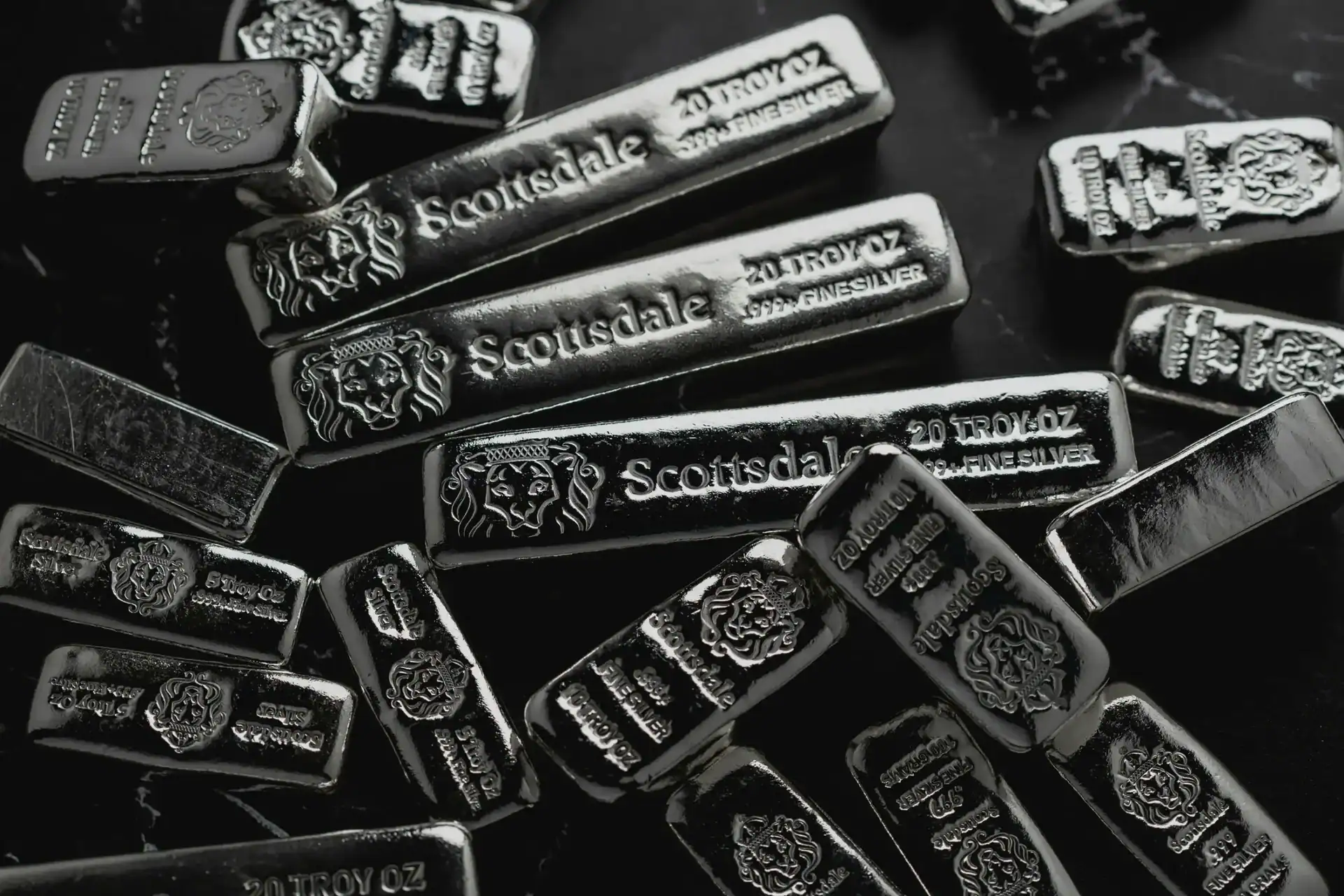
silver bars
often weigh these competing forces before positioning for a stagflationary cycle.
Supply Constraints and Production Costs in Stagflationary Periods
Rising input costs are a defining feature of prolonged inflationary slowdowns. Energy, labour and financing expenses often increase even as overall economic output weakens. In this environment, mining margins can tighten, limiting new exploration and expansion. These pressures shape silver stagflation outcomes by restricting fresh supply at the very moment investors seek inflation protection.
At the same time, elevated costs can reduce incentives to accelerate production, reinforcing structural tightness in the physical market. The interaction between constrained output and persistent inflation is central to silver stagflation performance. Investors reviewing
up-to-date silver price information
often monitor production trends alongside macroeconomic indicators to gauge how supply constraints may influence pricing.
How Stagflation Silver Compares With Gold and Equities
When comparing asset classes during periods of economic stress, the relationship between stagflation, silver and traditional markets becomes particularly relevant. Equities often face pressure as earnings weaken, while bonds can struggle if inflation erodes real returns. Gold is typically viewed as a monetary hedge, yet silver introduces an additional layer of complexity due to its industrial exposure.
The behaviour of silver stagflation environments, therefore, differs from gold alone. Silver may experience sharper upside movements when inflation expectations rise, but it can also display greater volatility if economic contraction reduces manufacturing demand. This dual character makes relative performance analysis essential for diversified portfolios.
Should Investors Consider Stagflation Silver Today?
Current macroeconomic conditions have renewed discussion around silver, particularly as inflation pressures persist alongside uneven growth. Investors are increasingly evaluating how supply constraints, monetary policy shifts and industrial demand might interact if economic momentum slows further. Silver’s dual role means it can respond differently from purely monetary assets, making careful assessment essential before allocating capital.
When considering stagflation, silver and portfolio positioning together, the emphasis should remain on balance rather than concentration. Monitoring liquidity, production trends and macro indicators helps determine whether silver exposure enhances resilience or introduces unnecessary volatility during inflationary slowdowns. Working with established bullion providers can also improve pricing transparency and ensure recognised product standards. Secure storage arrangements and clear resale options further support disciplined allocation in uncertain economic conditions.
Stagflation Silver in Perspective: Key Takeaways for Investors
Periods of stagflation place unusual strain on traditional portfolios. Weak growth combined with persistent inflation can compress corporate earnings while simultaneously eroding real returns from bonds and cash. In these environments, asset correlations may shift and diversification becomes more challenging.
Silver’s position as both an industrial and monetary asset means its performance during phases of silver stagflation hinges on the balance between economic contraction and inflation persistence. If industrial demand remains resilient while inflation stays elevated, silver can benefit. If output contracts sharply, volatility may increase. For investors, preparation matters more than prediction when navigating these complex cycles.
That preparation extends beyond macroeconomic analysis to practical execution. Transparent pricing, recognised bullion standards and secure custody structures help maintain liquidity when markets tighten. Access to physical allocation through established channels allows investors to adjust exposure methodically, rather than reacting emotionally to short-term market swings.