Platinum is often described as one of the heaviest precious metals, but its significance lies not only in weight. Platinum’s exceptional density influences how it is refined, handled and stored, making it a metal with very different physical behaviour to gold or silver. For investors who hold physical bullion, understanding the density of platinum provides important context around size, rarity and practicality in ownership.
Unlike some more widely held precious metals, platinum’s density introduces constraints as well as advantages, shaping how it is treated within professional bullion environments.
Table of Contents
Why Density Matters When Assessing Platinum
Density refers to the amount of mass contained within a specific volume and is determined by comparing an object’s weight to its size. It is most commonly expressed in grams per cubic centimetre. For platinum, this measure is especially important because it has a direct impact on the physical proportions of bullion items.
Although some investors follow price trends with a gold chart when assessing the current valuation of high-quality gold bullion, density offers a fixed physical benchmark. In platinum’s case, this benchmark explains why relatively small bars can carry substantial weight, shaping how the metal is handled and evaluated in practice, even when compared to high-quality gold coins.
[price_index graph_selection=’gold-gbp’]
Understanding the Density of Platinum
The density of platinum is approximately 21.45 grams per cubic centimetre, making it denser than both gold and silver. This exceptionally high figure places platinum among the heaviest tradable precious metals.
In practical terms, platinum’s density means that a relatively small piece carries substantial mass. This has implications not only for storage but also for handling, as platinum bullion feels notably heavier than its size might suggest. For investors, this density reinforces platinum’s reputation as a compact and materially scarce asset.
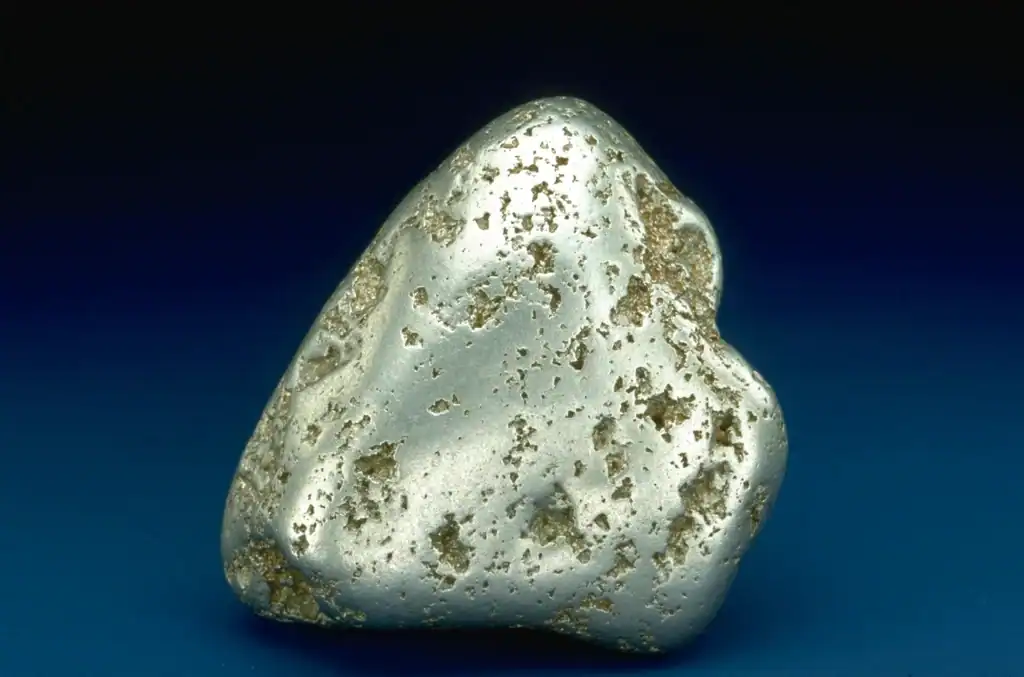
Platinum Density and Physical Bullion Forms
When platinum is formed into physical bullion, the density of platinum becomes immediately apparent. Bars and coins are produced to precise specifications, with dimensions that correspond closely to expected weight.
Because platinum bullion is physically compact, it requires careful handling during manufacture and storage. This differs markedly from silver, where volume increases rapidly with weight. Investors familiar with high-quality silver coins will notice that platinum’s density results in far smaller physical formats at comparable weights.
Platinum and Its Handling and Storage Implications
Platinum’s density introduces practical considerations that are distinct from those of other precious metals. Its compact mass places greater demands on secure handling, particularly during transport and vaulting.
Professional storage facilities account for these characteristics by managing platinum separately from lighter metals. Even when compared with high-quality silver bars, platinum occupies far less space, but its weight concentration requires reinforced storage protocols. These factors contribute to platinum’s reputation as something that’s often better described as a specialist holding rather than a more mainstream bullion asset.
Density and Platinum Authenticity
Because platinum is so dense, its physical behaviour provides important clues during professional assessment. Items that do not align with expected weight-to-size relationships can quickly raise concerns.
Substitute materials struggle to replicate platinum’s mass without becoming impractical in form. This makes density a valuable indicator when assessing authenticity, particularly for larger bars. While visual appearance can be imitated, matching platinum’s internal structure remains challenging, reinforcing confidence for serious investors.
Comparing the Density of Precious Metals
To place the density of platinum in context, it is useful to compare it with other major precious metals.
| Metal | Density (grams per cubic centimetre) |
|---|---|
| Platinum | 21.45 |
| Gold | 19.32 |
| Silver | 10.49 |
This comparison highlights platinum’s position as the densest of the commonly traded precious metals. Investors accustomed to holding high-quality gold bars, for example, will recognise how density influences storage efficiency and physical scale across different metals.
Final Thoughts on the Density of Platinum
For physical investors, the density of platinum shapes how the metal is handled, stored and evaluated over time. Its extreme mass relative to size reinforces platinum’s identity as a rare and materially intensive asset.
Some investors diversify portfolios by holding high-quality silver or track relative movements using tools such as a silver chart. Platinum, however, occupies a different position. Its density underscores a form of scarcity that is physical as much as economic, supporting its role as a specialist component within long term wealth strategies.