
Planning for later life requires more than simply contributing to a pension. Identifying the best investment for retirement means placing capital preservation at the centre of long-term planning, rather than relying solely on projected growth. Over the past two decades, investors have faced repeated financial crises, persistent inflation and shifting monetary policy. In that environment, assets capable of protecting purchasing power have become increasingly important.
Traditional portfolios often depend heavily on equities and bonds, yet recent cycles have shown how vulnerable paper-based assets can be during periods of systemic stress. For those seeking durable wealth protection spanning twenty-year timeframes or more, tangible stores of value such as physical gold have assumed a more prominent role within serious retirement planning strategies.
Understanding What Makes the Best Investment for Retirement
Before selecting assets, it is important to clarify what “best” truly means in a retirement context. The best investment for retirement should prioritise long-term stability and inflation protection, particularly over multi-decade horizons. While growth and income remain relevant, resilience during market volatility is essential. Over the last twenty years, gold has demonstrated an ability to preserve purchasing power through financial dislocation and currency debasement, reinforcing its role as a foundational component within a robust retirement strategy.
Traditional Retirement Investment Options
Much retirement planning begins with pensions and tax-advantaged accounts.
Workplace and Personal Pensions
Defined contribution pensions and SIPPs allow individuals to accumulate assets with tax relief. These vehicles often form the foundation of what many consider the optimal retirement strategy. Contributions benefit from tax efficiency, and diversified funds can provide exposure to equities and bonds.
Stocks and Shares ISAs
ISAs offer tax-free growth and income. They provide flexibility, particularly for those who may need access before formal retirement age. For investors seeking liquidity alongside growth, ISAs can complement the best investment framework for retirement.
Property Investments
Buy-to-let property has historically been viewed as a dependable long-term asset. Rental income can support retirement cash flow, while capital appreciation may build wealth over time. However, property introduces management complexity and regulatory exposure.
While these traditional approaches remain important, relying exclusively on them may leave portfolios vulnerable to systemic risk.

Alternative Assets and Diversification
Diversification is central to identifying the best investment for retirement. Markets move in cycles, and concentrated exposure to a single asset class increases risk. Including alternative investments can improve resilience.
Infrastructure funds, private equity and commodities all play roles in diversified portfolios. A
comprehensive guide to private investments
can provide further insight into how non-traditional assets strengthen long-term strategies. However, among alternative assets, physical precious metals remain uniquely positioned.
Precious Metals as the Best Investment for Retirement Stability
Precious metals have preserved wealth for centuries. Unlike equities or bonds, they do not depend on corporate earnings or issuer solvency. This independence makes them a compelling component of what many people consider to be the best investment for retirement when stability is a priority.
Physical Gold
Gold has historically functioned as a hedge against currency debasement and systemic financial stress. Investors seeking
strategic gold investments
often allocate a portion of retirement assets to physical holdings. For many people, it’s one of the best investments for retirement there is.
Owning
gold coins for retirement diversification
provides liquidity and recognisable value. Alternatively,
gold bars for secure long-term holdings
offer efficient storage of larger sums. Gold’s track record during inflationary periods strengthens its claim as part of many people’s best investment for retirement. Over extended market cycles, gold has repeatedly demonstrated an ability to perform independently of equities and bonds, providing balance when traditional assets experience sustained volatility.
Physical Silver
Silver combines monetary characteristics with industrial demand, creating additional growth dynamics. Investors considering
investments in silver
frequently value this metal for its accessibility and diversification benefits.
Physical ownership through
silver coins for retirement portfolios
allows flexibility, while high-purity
silver bars for long-term vault storage
provide efficient exposure at scale. Given its dual role in industry and investment markets, silver can complement gold within the best investment for retirement strategies.
Pension-Eligible Bullion
For certain structures,
pension gold options
within retirement plans enable physical metals to be held within compliant pension arrangements. This allows investors to integrate tangible assets directly into their retirement vehicles, enhancing diversification while maintaining regulatory alignment.
Comparing Asset Classes When Choosing the Best Investment for Retirement
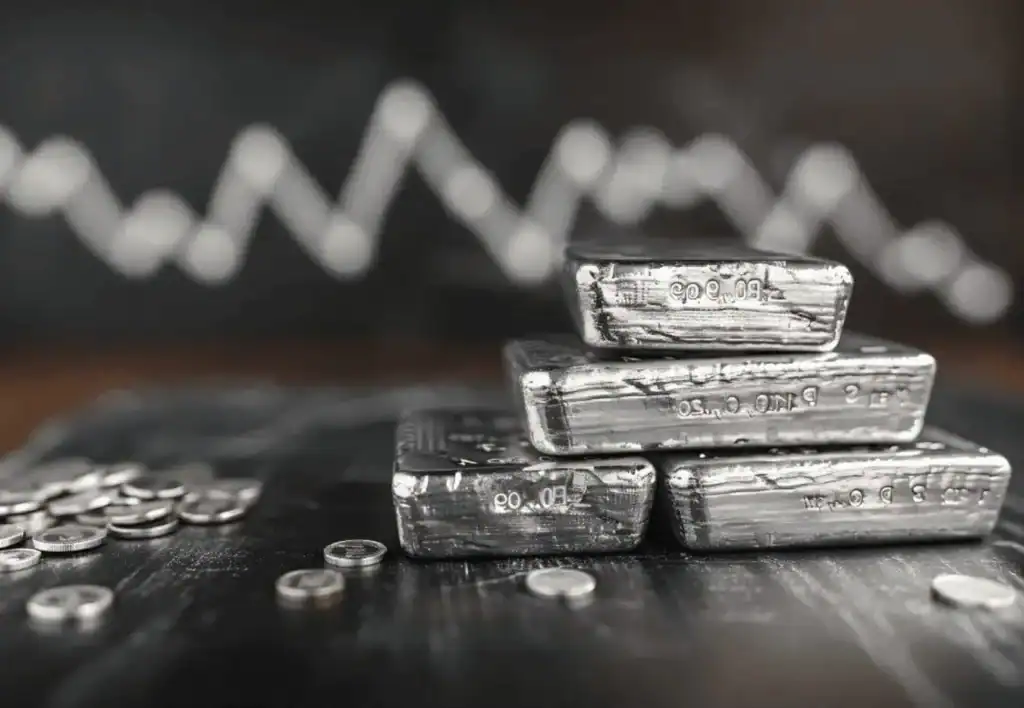
Equities offer long-term growth but can experience prolonged volatility, particularly during economic downturns. Bonds provide income yet remain vulnerable to inflation and shifts in interest rates. Property can generate yield, though it introduces management complexity and regulatory exposure. Precious metals, by contrast, do not produce income but have historically provided stability during periods of financial stress and currency debasement.
Over the past twenty years, £20,000 invested in physical gold would now be worth approximately £249,000, while silver would stand near £280,000. The same amount placed in the FTSE 100 would be around £88,000, with residential property and fixed-income instruments producing materially lower outcomes. Capital held in cash would have struggled to preserve purchasing power after inflation. These figures help explain why many investors consider gold to be central to the best investment for retirement when long-term resilience is the primary objective.
Building a Balanced Retirement Portfolio
Constructing an investment retirement strategy begins with asset allocation. Younger investors may favour growth-oriented assets, gradually increasing defensive holdings over time. As retirement approaches, stability and liquidity typically become more important. Incorporating physical assets alongside traditional securities enhances resilience.
Investors who understand the structural role of bullion often treat it as a foundation rather than a speculative allocation. This is because physical metals provide a counterweight to financial market exposure.
Common Mistakes When Selecting the Best Investments for Retirement
One common error is chasing short-term performance. The best investment for retirement is rarely the asset that performed best last year. Instead, it should demonstrate long-term consistency and durability.
Another mistake is underestimating inflation. Cash savings alone seldom preserve purchasing power across decades. Diversification across tangible and financial assets strengthens retirement planning.
Finally, concentration risk can undermine even well-intentioned strategies. Overexposure to property, equities or a single pension provider increases vulnerability. A balanced portfolio that includes physical bullion can mitigate systemic shocks.
FAQs
What Is the Best Investment for Retirement Income?
Income-producing assets such as dividend equities, bonds and property can provide cash flow. However, stable assets like gold can protect capital that supports that income.
Is Gold Considered the Best Investment for Retirement?
Gold can form a valuable part of the best investment for retirement, particularly for preserving purchasing power during economic uncertainty.
How Much Should I Allocate to Precious Metals When Considering the Best Investment for Retirement?
Allocations vary, but many investors dedicate a modest percentage of total assets to bullion to enhance diversification.
Can Silver Support a Retirement Strategy?
Yes, silver’s industrial demand profile and accessibility make it a useful complement to gold within many people’s best investment for retirement frameworks.