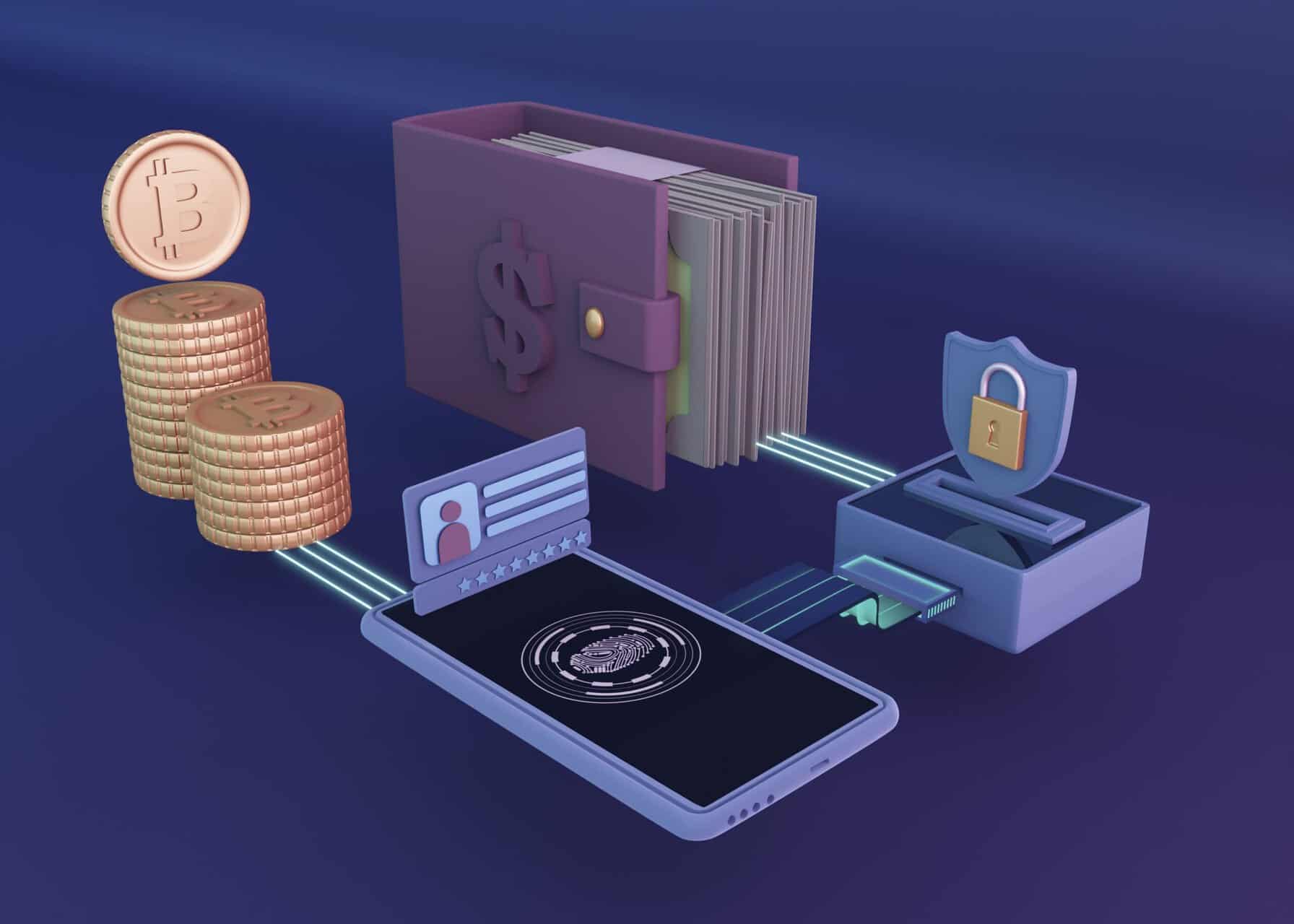
Across the world, central banks are developing state-issued digital currencies that could reshape the very concept of money. These government-backed cryptocurrencies, known as central bank digital currencies (CBDCs), are designed as electronic versions of cash verified on state-controlled blockchains. Unlike decentralised assets such as Bitcoin, they exist entirely within government authority.
Government-backed cryptocurrency projects already underway include China’s digital yuan, the European Central Bank’s digital euro and the UK’s proposed digital pound. The United States is exploring its own model. Officials claim these initiatives will modernise the financial system, but critics warn they could enable constant surveillance and programmable control over how citizens spend and save. Behind the language of innovation in government-backed cryptocurrencies lies a worrying shift from financial freedom to digital dependence.
Why Central Banks Are Moving Toward Government-Backed Cryptocurrencies
Central banks present government-backed cryptocurrencies as tools for efficiency and inclusion. They promise faster transactions, cheaper settlements and reduced reliance on physical cash. Yet the same systems that streamline payments can also record and analyse every movement of money in real time.
Such technology would allow policymakers to shape behaviour through financial coding. Interest rates or spending power could vary by age, income or environmental profile. A high carbon score might reduce purchasing options, while government incentives could steer citizens toward preferred goods or services. Advocates call this targeted policy while critics call it digital coercion. Either way, government-backed cryptocurrencies transform money from a neutral instrument into a programmable mechanism of control.
The Global Expansion of Government-Backed Cryptocurrencies
The Bank for International Settlements reports that more than 130 nations, representing nearly all global GDP, are now researching or piloting CBDCs. China’s digital yuan already circulates in major cities and cross-border trade programmes, while Europe and the UK are advancing similar trials.
These developments in government-backed cryptocurrencies reveal a coordinated global direction. For investors, this deepening centralisation underscores the importance of assets that remain beyond digital reach. Physical gold bars and silver are immune to software restrictions, policy experiments and network failures.

Government-Backed Cryptocurrencies, Privacy and Control
The greatest concern surrounding government-backed cryptocurrencies is their potential for behavioural control. Because every unit of digital currency is traceable, governments could dictate where and when it may be spent. Money might expire after a set period or be restricted for certain goods such as alcohol, red meat or air travel.
Integrated government-backed cryptocurrencies with emerging digital identity frameworks, such systems could merge financial and personal data, creating a single profile that tracks consumption, movement and compliance. Monetary policy could then operate at the level of the individual. A retiree might face a negative interest rate to discourage saving, while a younger worker receives rewards for specific spending.
Supporters describe this as precision economics but sceptics see social engineering. For investors who value autonomy, tangible holdings such as gold coins or silver bars represent wealth that no code can freeze or modify.
Historical Parallels: When Gold Ownership Was Restricted
History shows how monetary transitions can reshape private wealth. In 1933, President Franklin D. Roosevelt required US citizens to exchange their gold for paper currency at government-set rates. The policy stabilised banks but removed independent ownership of real assets.
Some government-backed cryptocurrency analysts believe a modern version could accompany digital currency rollouts. If a system such as the Britcoin is introduced, citizens might be offered higher valuations or temporary tax incentives to surrender their physical gold
How Government-Backed Cryptocurrencies Could Influence Traditional Assets
The spread of government-backed cryptocurrencies will not erase traditional stores of value and, indeed, it may strengthen them. When money becomes fully traceable, demand for private, verifiable assets tends to rise. Bullion has always acted as a counterweight to financial innovation, preserving value when confidence in paper systems declines.
For investors wary of policy shifts, allocating part of their portfolios to bullion provides not just diversification but sovereignty. Tangible wealth cannot be rewritten or revoked through a software update.
The Economic Logic and Its Hidden Risks
Supporters of government-backed cryptocurrencies argue that they will reduce fraud, lower transaction costs and enable direct monetary stimulus. Yet these same efficiencies carry risks. When every digital pound or yuan carries a unique identifier, privacy ceases to be inherent: it becomes conditional.
A system capable of distinguishing between citizens allows policy to become personal. Monetary incentives or penalties could be distributed according to social credit or environmental metrics.
Will Government-Backed Cryptocurrencies Replace Cash?
Government-backed cryptocurrencies may one day coexist with, or even replace, physical cash, but they cannot replace trust. Digital money can process faster than notes, yet it cannot match the permanence of tangible wealth. Whenever financial systems evolve too rapidly, history shows that citizens turn to assets they can hold.
As governments refine their digital currencies, private investors continue to accumulate bullion. Owning
physical gold or investing in silver coins ensures that wealth remains personal, portable and independent of institutional systems. In a programmable future, possession itself becomes the truest form of freedom.
A New Global Order for Value and Trust
As central banks adopt digital currency frameworks, control over global capital flows could consolidate further. The digital yuan already enables state-directed trade outside traditional banking channels, a model other nations may replicate.
In such an environment, countries and individuals holding substantial reserves of physical metal will retain leverage that cannot be coded away. The emerging financial order may privilege those who combine digital convenience with tangible security. Real assets will continue to underpin credibility in a system built on electronic promises.
Government-Backed Cryptocurrencies: Conclusion
The rise of government-backed cryptocurrencies marks a turning point in monetary history. Central banks present CBDCs as progress, yet their potential to monitor and influence private behaviour cannot be ignored.
Gold and silver remain the ultimate expressions of private wealth, beyond reprogramming or restriction. As currencies migrate to intangible code, physical bullion endures as the only form of wealth that is wholly real, wholly owned and entirely free from digital control.